
It was only a decade ago that veterinarians were relying on conventional radiography, putting X-ray films through a developer for image processing. But veterinary care delivery has dramatically changed ever since. Veterinary practices have been increasingly integrating leading-edge technologies over the past decade to transform everything, from image processing to practice management. Fast forward to today, veterinarians have advanced technologies at their disposal, be it for better administration of their practices or to provide better medical care for animal patients.
One of the significant trends in the domain is the ongoing digitalisation of clinical pathology. In response to the restrictions imposed by the COVID-19 pandemic, clinics are speeding up the implementation of digital technologies that enable the scanning of cytology slides in-house and their sharing to pathology networks for quick results. Those practices will be commonplace in the coming years, offering exceptional cytology and histopathology capabilities.
The animal wearables tech, which ranges from GPS and fitness trackers to cameras and smart clothing, will also considerably advance. Analysing the data from these wearables with powerful data analytics can yield critical insights on many metrics, including the physical and mental health of the animals. The long-lasting batteries of today have already stimulated innovation in animal wearable tech, and it is now just the question of finding the right combination of cost and functionalities.
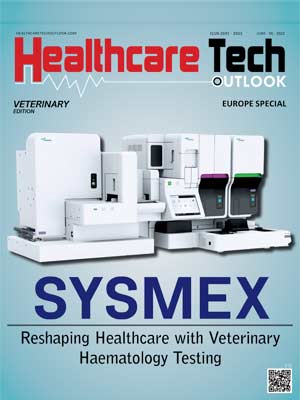
In this edition of Healthcare Tech Outlook, we bring you the story of some of the leading veterinary solution providers in Europe. This edition also offers a combination of thought leadership articles from subject matter experts and exclusive insights from CIOs and CXOs. We hope this edition will provide you with the right assistance in choosing the veterinary solution provider that fits your practice requirements.